


AI infrastructure feels contradictory right now.
Capital spending is accelerating. GPU order books are full. Earnings calls project confidence. And yet, operators quietly describe delays, partial rollouts, and systems that exist on paper but not yet in practice.
Depending on which signals you emphasize, AI capacity appears either to be exploding or running into hard constraints. Both interpretations are plausible. Neither is sufficient on its own.
This confusion is not a failure of analysis. It is a failure of observability. We are trying to understand a system that spends a long time in a state where capacity is real and paid for, but still not usable—and most of our tools are poorly suited to see that phase clearly.
The Hidden Middle State
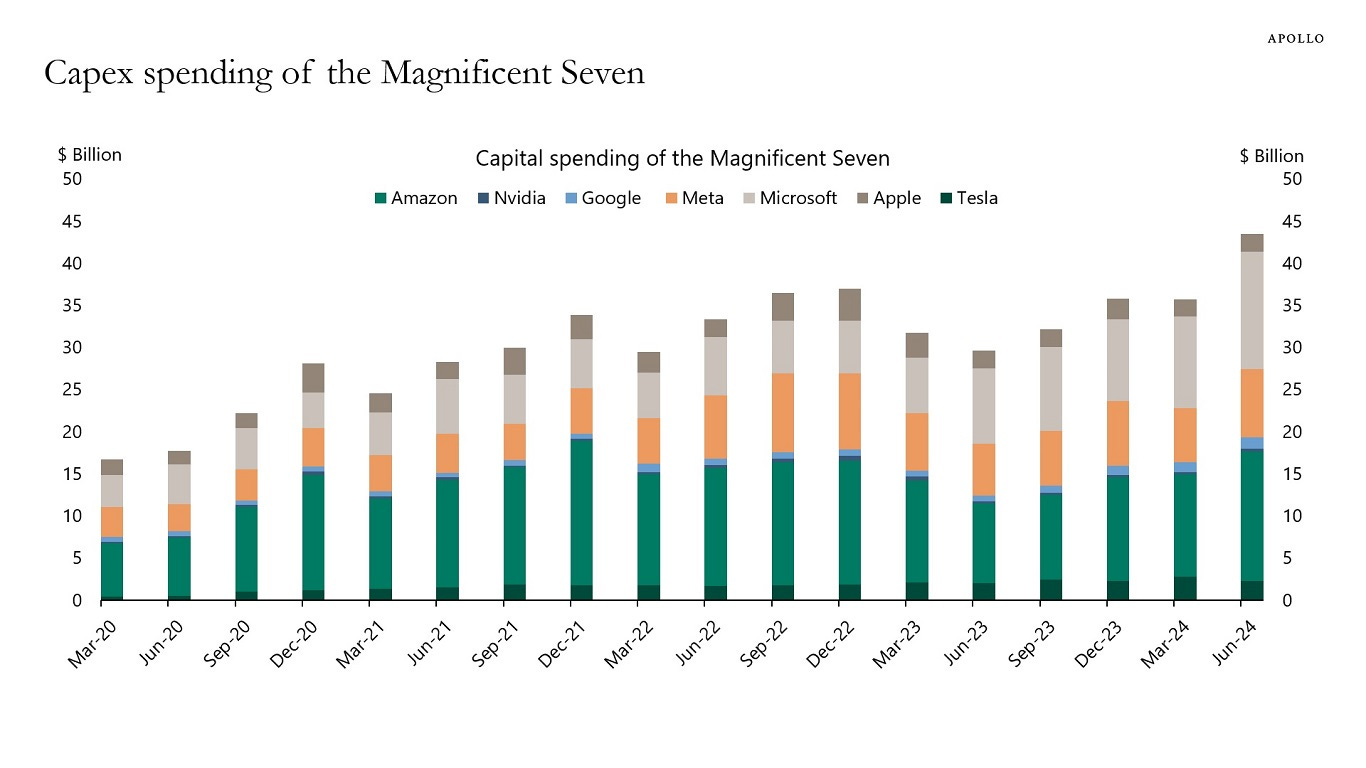
Most discussions of AI infrastructure rely on a simple mental shortcut: capital goes in, capacity comes out.
In reality, there is a long and unavoidable middle state. Hardware is ordered, delivered, racked, and powered, but not yet productive. Clusters exist without running sustained workloads. Capacity is present, but fragile.
This is not inefficiency. It is how large technical systems behave under rapid expansion.
AI infrastructure does not move on a single timeline. Spending, physical delivery, and usable capacity advance on different clocks. From a distance, those clocks appear synchronized. Up close, the gaps between them matter enormously, especially during periods of aggressive build-out.
This is where most misinterpretation begins.
Integration Throughput Sets the Pace
The dominant constraint in AI is usually framed as GPU supply. That framing is not wrong, but it is incomplete.
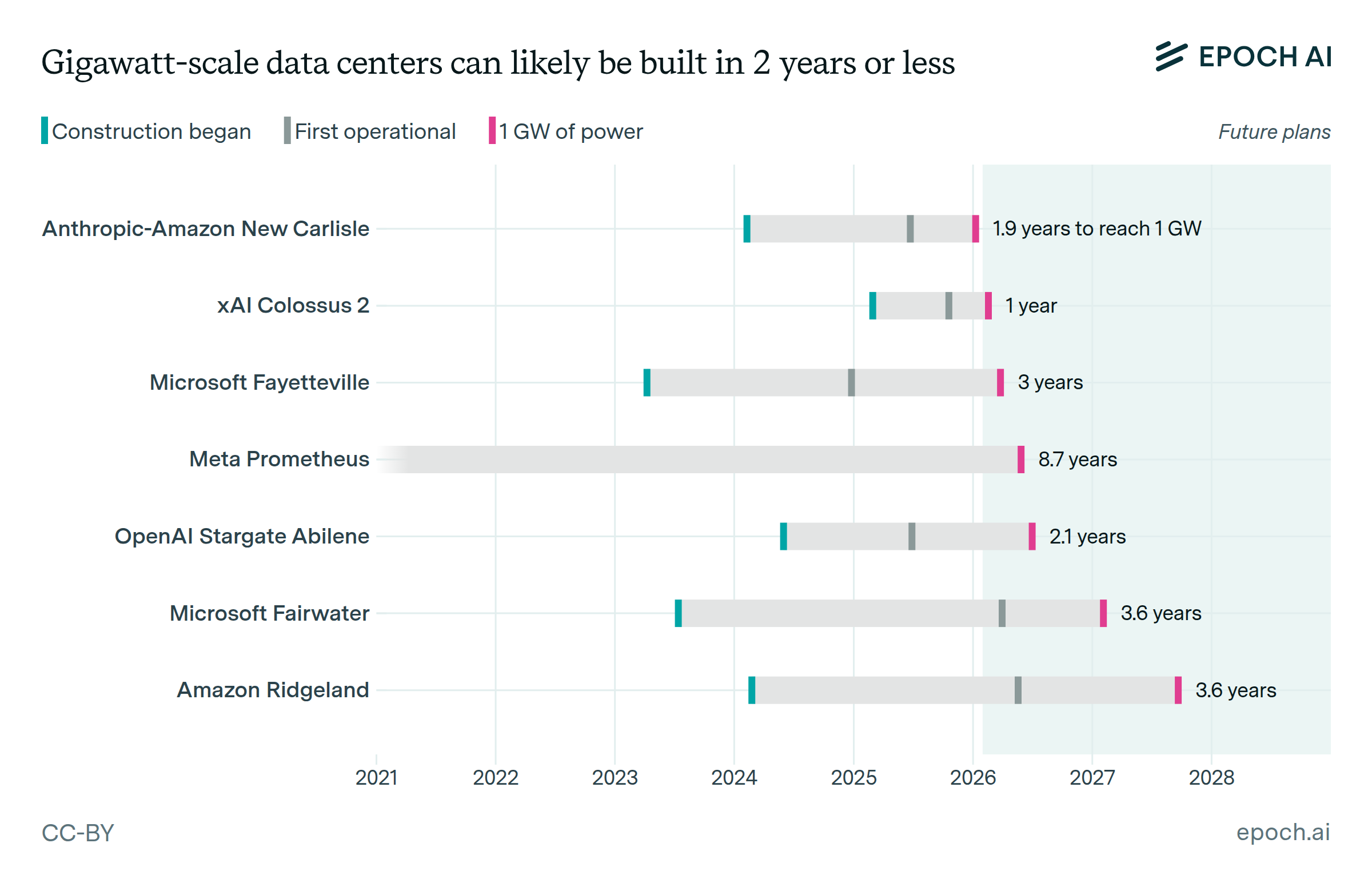
The real pacing factor is integration throughput: the system’s ability to turn purchased hardware into stable, high-utilization clusters. That process is constrained by power provisioning, cooling, networking fabric, software validation, monitoring, and organizational readiness.
Any one of these can slow progress. Often, several do at once.
This is why capacity does not scale linearly with spending. You do not simply buy compute—you integrate it. Integration is a throughput problem, not a procurement problem, and throughput improves unevenly across organizations.
Some teams are better positioned than others. Prior infrastructure investment, standardized architectures, and operational maturity matter. Even so, no one bypasses this phase entirely. Every operator spends time with capacity that technically exists but does not yet behave like a reliable system.
Why the Numbers Don’t Show It
If integration throughput explains the operational bottleneck, accounting explains why it is so often misread from the outside.
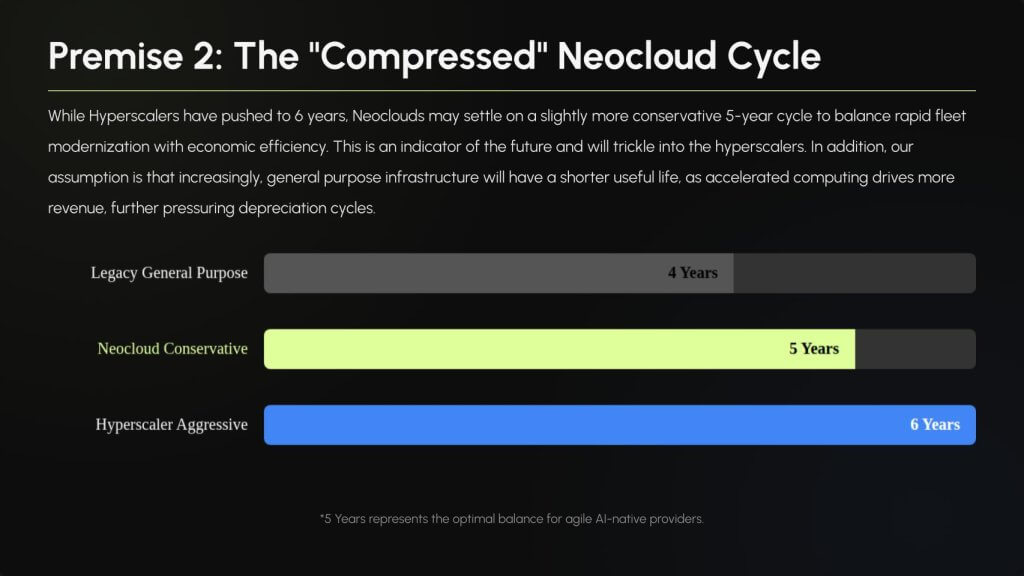
Financial statements are not designed to capture partially integrated systems. Construction-in-progress aggregates assets that are ordered, delivered, and installed alongside those that are still inert. Capitalization rules defer recognition. Depreciation schedules smooth costs over time.
The result is a structural blind spot. The most consequential phase of AI infrastructure—the period where capacity is being assembled but not yet productive—barely registers in public reporting.
This is not manipulation. It is mismatch.
Accounting frameworks are optimized for stability and comparability. AI infrastructure is lumpy, nonlinear, and operationally fragile during build-out. When those realities collide, perception lags behind operational truth.
That lag is why capex debates feel unmoored. We are arguing over inputs because the outputs are not yet visible.
The Common Mistake
The blind spot leads to a persistent error.
The assumption is that rising capex implies rising AI capacity. In practice, capex buys optionality. Capacity emerges only when that optionality is executed.
Spending creates the possibility of advantage, not its realization. Utilization, resilience, and economic return arrive later—and unevenly.
This gap between possibility and performance explains much of the volatility in AI narratives. When spending accelerates, optimism follows. When utilization lags, skepticism sets in. Both reactions mistake a proxy for the thing itself.
Over long horizons, sustained investment often does translate into leadership. The error is not directional. It is temporal. Outcomes are being judged before the system has finished assembling.
Two Views of the Same Bottleneck
What looks like disagreement is usually perspective.
Operators see integration queues, validation cycles, and early clusters that are functional but fragile. Markets see capex trajectories, margin trends, and depreciation curves. Both views describe the same system, but from incompatible measurement frameworks.
Operational reality moves in bursts. Financial abstraction moves smoothly. Narratives try to reconcile the two and inevitably overshoot.
This disconnect explains why bargaining power can shift before operations do, why confidence often precedes utilization, and why skepticism frequently arrives either too early or too late.
The bottleneck is not only technical. It is epistemic.
What Will Actually Decide the Outcome
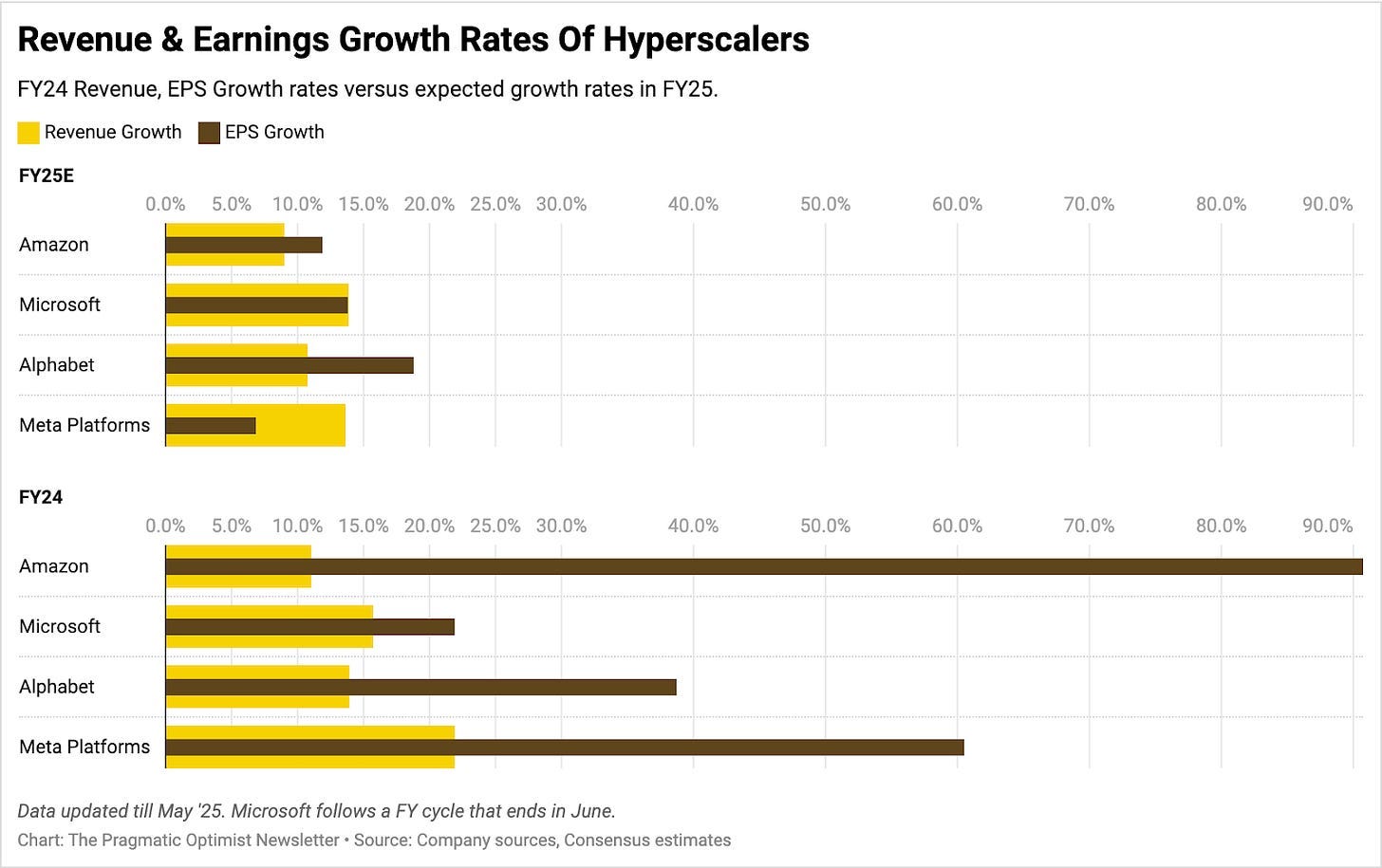
The AI infrastructure cycle will not be decided by who spends the most. It will be decided by who converts spend into uptime fastest—and who can sustain that conversion as scale increases.
Several unresolved questions matter more than headline capex totals.
Which organizations have integration throughput as a core capability rather than a temporary advantage? When do utilization metrics replace spending as the market’s anchor? Does AI demand broaden across workloads and customers, or remain concentrated among a small number of anchor tenants? And how long can accounting optics delay confrontation with operational reality?
These are tests, not predictions. The answers will emerge gradually, and not all at once.
What to Watch Next
For operators, integration throughput is not back-office hygiene. It is strategy.
For investors, capex is an input. Utilization is the outcome.
For everyone else, the confusion surrounding AI infrastructure is not a sign of disorder, but of transition. The system is moving through a phase where capacity is being built faster than it can be measured or understood from the outside.
That phase will pass. When it does, narratives will converge quickly.
The mistake is assuming it already has.